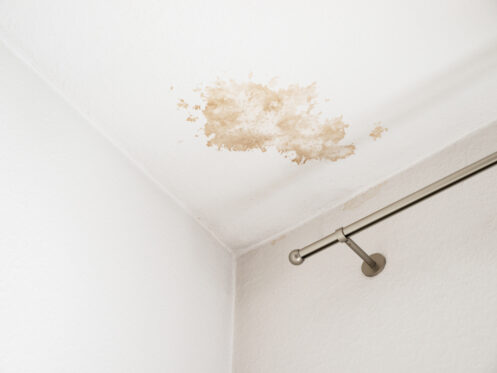
Winter leaks rarely come from one dramatic crack. More often, water finds the small weak spots that already exist, then cold nights and windy rain make those spots fail faster. You might notice a damp ceiling corner, a faint stain that grows after storms, or a drip that shows up only when the weather turns. At Ricardo's Alpha Roofing, we help homeowners in Columbus, NC track down the true source of a winter roof leak so you can fix it before it spreads.
Ice Dams Along the Roof Edge
One of the most common causes of winter roof leaks is an ice dam. These thick ridges of ice form when heat from inside your attic melts snow unevenly. The water runs toward the edge of the roof, hits colder eaves, and refreezes. Over time, the ice builds up and creates a blockage that traps water behind it.
That standing water seeps under your shingles and finds its way through the decking. Ice dams usually form above gutters or along shaded areas that stay cold. If your home has poor attic ventilation or older insulation, the problem tends to get worse. You might not spot the damage right away, but once the ice melts, you could find stained drywall, soggy insulation, or peeling paint around your ceiling or walls.
Flashing Around Vents and Chimneys
Flashing is a thin material, often metal, used to seal the joints where the roof meets a vertical surface, such as a chimney or plumbing vent. During winter, that flashing is under extra strain. Wind can loosen it. Snow can sit around it for days. If the seal around the flashing fails, even a small gap lets water sneak through. Many homeowners assume the leak is coming from higher up the roof because they see water inside farther from the source. In reality, flashing leaks tend to follow beams and framing until they show up somewhere unexpected. If your chimney has older mortar or your vent boot is cracked, cold weather makes those weak spots worse. They don’t always fail in warm months, but the freezing and thawing cycles in winter often tip them past their limit.
Roof Valleys That Collect Snow
Valleys are the lines where two roof planes meet and form a channel. Snow naturally settles in these areas. If your valley has leaves or debris trapped in it, water can pool instead of flowing into your gutters. Over time, that water breaks through your underlayment or creeps under nearby shingles. Some valleys are sealed with metal strips, while others rely on shingle overlap and underlayment.
Either type can fail if they were installed poorly or haven’t been inspected in a few years. Winter leaks in roof valleys tend to move quickly. Once water finds a gap in that low point, gravity does the rest. You may notice the leak as discoloration along interior walls that match the valley location outside. If the leak goes unchecked, it can affect nearby insulation, drywall, or even light fixtures in the ceiling below.
Gutters That Back Up With Ice
Gutters are supposed to help water move away from your roof. When they clog with leaves or fill with ice, they do the opposite. Blocked gutters trap water along the roofline and push it back under the shingles. This problem is especially common in homes where the gutters don’t slope properly or are undersized.
In freezing conditions, gutters can turn into troughs of solid ice that add weight to the edge of the roof. That extra weight can pull on the fascia board and weaken the seal where the roof meets the exterior wall. You may notice icicles hanging off the edge, or water stains near the top of your window trim. Those are signs that water isn’t flowing the way it should and is instead pooling where it can cause damage.
Stop Winter Leaks Before They Spread
If your ceiling stain gets darker after each storm, or you keep finding damp insulation in the attic, it’s time to get the roof checked before water moves into framing or drywall. We handle roof inspections, roof leak detection, flashing repairs, shingle repairs, and targeted roof maintenance that focuses on the weak points winter weather loves to exploit. If you want a clear answer on where the leak is starting and what it will take to stop it, call Ricardo's Alpha Roofing today to schedule your roof inspection.

